The Most Honest Thing a Host Can Do Is Hand You a Wooden Spoon
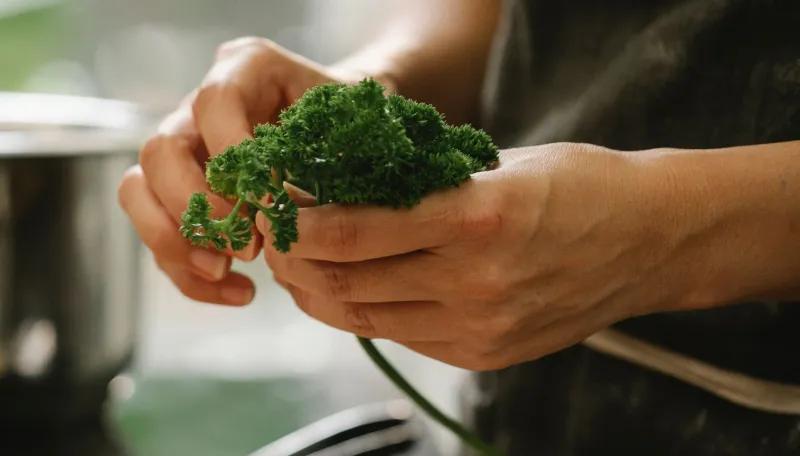
You can read every food blog about a region, watch the celebrity chef specials, book the cooking class with the professional instructor in the tiled kitchen downtown. And you'll learn something from all of it. But there is a particular kind of knowledge that only comes from standing in someone's actual home kitchen — the one with the coffee stain on the ceiling that nobody talks about and the herbs growing in mismatched pots on the windowsill — and cooking alongside the person who lives there.
Homestay kitchens are not curated. They're not designed for Instagram. They're where real food gets made by real people who have been feeding their families, their neighbors, and themselves for years. And if you're willing to show up curious and a little humble, they'll teach you things that no tour ever could.
Why the Kitchen Is the Center of Everything
Food is never just food. Every dish carries geography — the climate that grew the ingredients, the trade routes that introduced the spices, the economic conditions that made certain cuts of meat the staple and others the luxury. It carries family history, cultural memory, and the kind of practical wisdom that gets passed down through hands more than words.
When a homestay host invites you into their kitchen, they're offering you access to all of that. Not as a performance, not as a service, but as a genuine act of sharing. That's worth treating with some reverence.
In a country as regionally diverse as the United States, this matters even for domestic travel. The way someone in coastal Louisiana seasons a pot of gumbo is not the way someone in the Texas Hill Country does it. A host in the Pacific Northwest might have foraged half the ingredients in your dinner from the hillside behind their house. A family in New Mexico might be making red chile sauce from dried pods they grew in their own backyard using seeds their grandparents brought from Oaxaca. These aren't just meals. They're living documents.
What You Can Actually Learn at a Homestay Stove
Let's get specific, because the educational value here is real and it goes deeper than recipes.
Ingredient knowledge. A host who cooks from scratch will introduce you to things you might never find in a grocery store — not because they're rare, but because industrial food supply chains have quietly eliminated them from mainstream availability. Heirloom tomato varieties. Regional bean types. Herbs that are common locally but invisible nationally. This kind of ingredient literacy changes how you shop and cook when you get home.
Technique over recipe. Recipes are instructions. Technique is understanding. Watching a host work — how they listen to a pan, when they add salt, how they adjust heat without measuring anything — gives you the kind of intuitive knowledge that recipe cards can't transmit. You start to understand why, not just how.
Food and place. A host who's connected to local agriculture will often tell you exactly where the ingredients came from. The eggs from the neighbor's chickens. The honey from the beekeeper two miles up the road. The fish from the guy at the dock who texts when he's back in. This is supply chain transparency at its most personal, and it reframes how you think about food sourcing long after you've gone home.
Family and cultural story. Some of the most important things you'll learn in a homestay kitchen won't be about cooking at all. They'll be about the family that made this dish every Sunday, the celebration this recipe belongs to, the shortage that made a certain ingredient the default, the grandmother who never measured anything and somehow made it perfect every time. These stories are irreplaceable.
How to Be a Good Kitchen Guest
Showing up is the first step, but showing up well is the whole thing. Here's what actually works.
Ask before you assume. Some hosts love the company and will naturally include you in meal prep. Others cook as a private ritual and would find an uninvited presence in the kitchen intrusive. The easiest thing is to express genuine interest early — "I'd love to learn how you make that if you're ever open to it" — and let the host set the terms.
Come to learn, not to perform. This is not the moment to demonstrate your own cooking skills or offer unsolicited opinions about technique. You're a student here. Bring curiosity, bring willingness, and leave your ego at the kitchen door.
Ask good questions. Not "Is this gluten-free?" but "Where did this spice come from?" Not "How long does this take?" but "How did you learn to make this?" Questions that invite story rather than just information will transform a cooking session into something much richer.
Offer to help with the unglamorous parts. Washing vegetables. Stirring something that needs steady attention. Washing dishes. The willingness to do the boring work signals that you're genuinely engaged, not just looking for content.
Be honest about what you don't know. Hosts who cook from scratch often assume a baseline of kitchen knowledge that guests don't always have. If you don't know what "fold" means in a culinary context or you've never worked with a mortar and pestle, say so. Most hosts find this charming rather than embarrassing, and it opens up better teaching moments.
What Hosts Should Know About Welcoming Kitchen Guests
If you're a homestay host who's considering opening up your kitchen — even occasionally — the payoff in guest connection is significant. A shared meal that you made together is remembered long after a restaurant dinner is forgotten.
You don't need to run a formal class. Informal is better, actually. Invite a guest to sit at the kitchen table while you cook and just talk. Let them hand you things. Let them taste and react. The structure will emerge naturally.
Be specific about what you're making and why. Guests want context. "This is my grandmother's version" or "We make this every time someone comes to visit" gives the food meaning that elevates the whole experience.
And if a guest asks to photograph the process, it's okay to feel conflicted about that. A kitchen is a personal space. It's perfectly reasonable to say yes to photos of the finished dish and no to photos of the mess in between.
The Meal You'll Still Be Thinking About in Ten Years
Travel has a way of compressing into a handful of vivid memories. The view from a particular overlook. The unexpected conversation with a stranger. And almost always, a meal — but rarely the one at the fancy restaurant. Usually the one that was a little chaotic, that smelled like something you didn't recognize, that someone made specifically for you in a kitchen that felt lived-in and real.
That's the meal you'll describe to people for years. The one where you stood at a stranger's stove and learned something that didn't fit into any category of tourism.
The wooden spoon, it turns out, is the best souvenir.