Forget Five Stars — The Most Luxurious Thing You Can Buy in 2025 Is a Real Connection
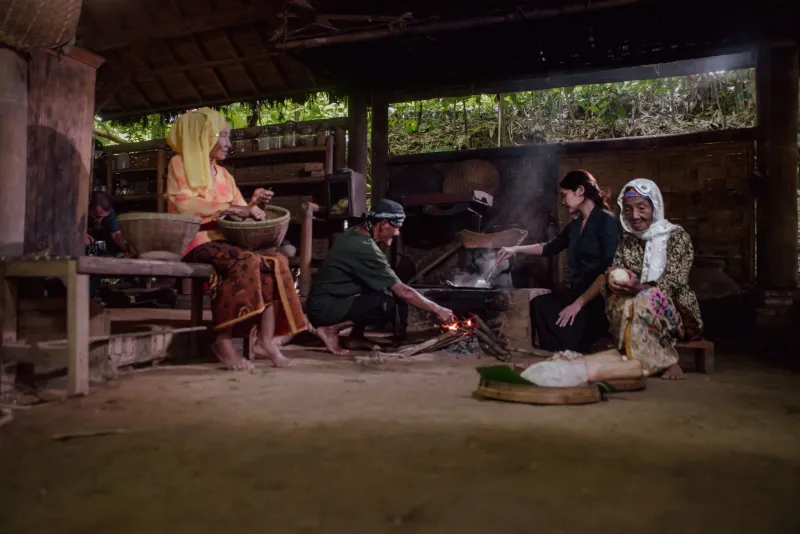
There's a particular kind of loneliness that hits in a high-end hotel room. You've got the fluffy robe, the minibar, the city skyline framed through floor-to-ceiling glass — and somehow, you feel completely disconnected from the place you flew thousands of miles to experience. If that sounds familiar, you're not alone. And increasingly, American travelers are doing something about it.
They're staying with people instead.
The Pandemic Rewired What We Actually Want From Travel
After two-plus years of isolation, Zoom calls, and canceled plans, something shifted in how Americans think about getting away. The post-pandemic travel boom wasn't just about making up for lost time — it was about recalibrating what travel is for. According to a 2023 Airbnb survey, nearly 60% of travelers reported that meaningful human connection had become more important to them when choosing accommodations. Boutique and homestay bookings surged. The era of the anonymous hotel stay started feeling, well, a little hollow.
"Before COVID, I would've never considered staying in someone's home," says Dana Kowalski, a 38-year-old graphic designer from Portland, Oregon, who booked her first homestay in Oaxaca, Mexico in 2022. "But after spending so long cut off from real interaction, the idea of sharing meals with a local family, learning to make mole from scratch with someone's grandmother — that sounded like the most nourishing thing I could imagine."
She hasn't booked a chain hotel since.
What the 'Host Economy' Actually Looks Like
The phrase "host economy" is gaining traction in travel circles, and it describes something genuinely different from the platform-driven short-term rental market most people associate with a certain app. We're talking about homestays in the truest sense: accommodations where a local family or individual opens their home, shares their routines, their food, their knowledge of a place — and in doing so, creates an experience that no concierge desk could replicate.
Think of Rosa, who runs a three-room homestay outside Cartagena, Colombia, and starts every morning by walking guests through her herb garden before cooking breakfast. Or Kenji, a retired schoolteacher in Kyoto who hosts travelers in the traditional machiya townhouse his family has lived in for four generations. These aren't just places to sleep. They're portals into a way of life.
For hosts, the motivations go beyond income. "I want people to leave knowing something true about this place," says Amara Diallo, who hosts travelers at her family compound in Senegal's Sine-Saloum Delta. "Not what they saw on Instagram. Something real."
That sense of purpose — the idea that hosting is an act of cultural sharing, not just a transaction — is exactly what draws conscious travelers in.
Why This Is Actually the Luxury Play
Here's a reframe worth sitting with: what if the most luxurious travel experience isn't about what's provided for you, but about what's revealed to you?
A five-star resort can give you a perfect pillow menu and a swim-up bar. What it cannot give you is the experience of watching a family prepare a Sunday meal together, or being handed a cup of tea by someone who genuinely wants to know where you're from. Those moments — unscripted, unhurried, deeply human — are increasingly rare in modern life. And rare things, by definition, are precious.
Travelers who've made the switch describe homestays not as a budget compromise, but as a deliberate upgrade. "I've stayed in some genuinely fancy places," says Marcus Webb, a 45-year-old attorney from Atlanta. "But the trip I talk about most is the week I spent with a family in rural Vietnam. We barely spoke the same language, but by the end of the week, I felt more known than I do at most dinner parties back home."
First-Timer? Here's How to Do This Right
If you're new to homestays, the prospect can feel a little intimidating. You're not just booking a room — you're entering someone's life, at least briefly. That calls for a different kind of preparation. Here's how to set yourself up for a genuinely great experience:
Vet the platform and the listing carefully. Look for homestays on platforms that specialize in community-based travel and have transparent vetting processes. Read reviews not just for cleanliness, but for descriptions of how hosts engaged with guests. The best listings will tell you something specific about the host's story, not just the amenities.
Communicate before you arrive. Reach out to your host ahead of time. Ask about house norms, meal preferences, and whether there are local customs you should know about. This isn't just practical — it signals respect and starts building the relationship before you even land.
Arrive with curiosity, not a checklist. Homestays aren't resorts. The magic happens in the margins — an unexpected conversation over coffee, an invitation to join a neighborhood errand, a recipe shared without being asked. Let the experience breathe.
Spend locally, tip generously, and ask where to eat. Your host knows where the real food is. Skip the tourist strip and ask them where their family actually goes. Then go there and spend your money in that ecosystem.
Leave something meaningful, take nothing for granted. A thoughtful thank-you note, a small gift from your home city, or even just a genuine conversation about what the stay meant to you — these gestures matter enormously to hosts who've opened their homes and their lives.
The Ripple Effect of Choosing Differently
There's a bigger picture here, too. When you book a homestay instead of a chain hotel, your money flows directly into a household, a neighborhood, a local economy. You're funding someone's kid's school supplies, not a shareholder dividend. You're keeping money in communities that tourism often exploits without meaningfully enriching.
Conscious travel isn't about deprivation or performative sacrifice. It's about recognizing that the choices we make as travelers have real consequences — and that the most fulfilling choice is often also the most ethical one.
The coral tree is a striking thing: deeply rooted, wildly alive, and impossible to ignore. That's what travel can be when you choose to really show up for it — not as a consumer passing through, but as a guest who understands that the greatest gift a place can offer is its people.
In 2025, the travelers who get that aren't the ones chasing stars. They're the ones sitting around someone else's kitchen table, learning how to pronounce a word in a language they didn't speak last week.
That's the experience worth booking.