Chasing the Shot Is Wrecking the Place — Here's What Conscious Travelers Do Instead
Let's be honest about something most travel content won't touch: that gorgeous, golden-hour photo you saved to your 'Wanderlust' Pinterest board? There's a decent chance the place it was taken is being quietly destroyed by the very people who love it.
This isn't a guilt trip. It's just a pattern worth naming — one that shows up everywhere from the cliffside villages of Hawaii to the bioluminescent bays of Puerto Rico. And understanding it might be the most useful thing you do before your next trip.
The Instagram Effect Nobody's Talking About
When a location goes viral, foot traffic doesn't just increase — it explodes. The Fairy Pools on Scotland's Isle of Skye saw visitor numbers jump by over 300% in the years following its social media boom. Antelope Canyon in Arizona now requires guided tours in part because selfie-seekers were literally climbing the fragile sandstone formations for better angles. Horseshoe Bend, once a quiet local overlook, now has a full parking structure and crowds that stretch back half a mile on peak weekends.
These aren't fringe cases. They're the predictable outcome of a content economy that rewards novelty and visual drama — and travel has become one of its most willing participants.
Drone tourism is its own category of harm. Hobbyist drones have been documented disturbing nesting seabirds in coastal Maine, stressing whale pods in the Pacific Northwest, and causing sea turtle strandings in Florida when animals are startled mid-nesting. Many of these flights happen in areas where drones are technically prohibited — but the shot is too good to pass up.
And then there's the wardrobe problem. 'Travel outfit' content has created a booming micro-industry of fast fashion pieces purchased specifically for a single photoshoot in a foreign location. Flowy dresses in Santorini. Matching linen sets at Tulum cenotes. Kimonos layered over swimsuits at Japanese temples. The clothes are worn once, photographed from seventeen angles, and often discarded before the return flight. The carbon cost of producing and shipping those garments — for a single Instagram story — is staggering.
Why 'Authentic' Experiences Often Aren't
Here's the uncomfortable irony at the center of all this: the more urgently travelers seek out 'authentic' experiences, the faster those experiences get hollowed out.
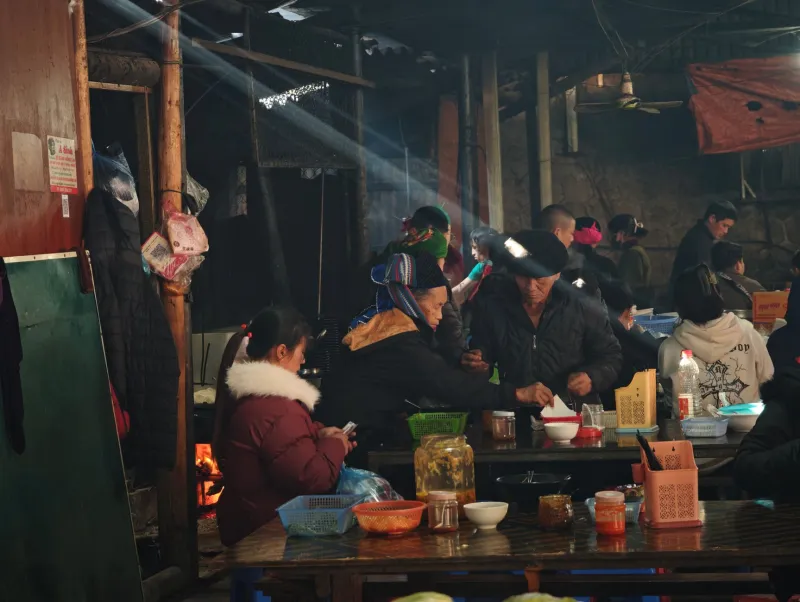
A family-run fish market that makes it into a travel influencer's reel becomes a tourist attraction within a year. The fishermen start performing their work for cameras. Prices shift. The locals who actually used the market start shopping elsewhere. The thing that made it real — its ordinariness, its function within a living community — evaporates.
This is sometimes called the observer effect in social science, and travel has become one of its most dramatic demonstration grounds. The act of documenting a place changes the place.
So what actually breaks the cycle?
What Happens When You Stay With a Family Instead
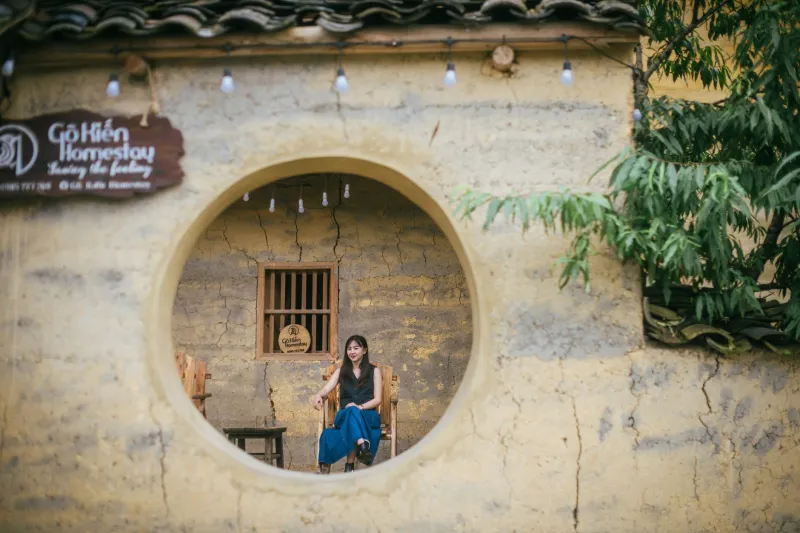
This is where homestays enter the conversation — not as a marketing pitch, but as a structural solution to a structural problem.
When you book a room in a family home, the entire logic of your trip shifts. You're not optimizing for content. You're optimizing for relationship. And those two things pull in completely different directions.
Take Marissa, a graphic designer from Portland who spent two weeks at a family homestay on the Oregon coast after years of what she calls 'performance travel.' She'd built a modest following posting carefully edited travel content, and she was burned out in a way she couldn't quite articulate.
'I realized I'd stopped actually seeing places,' she says. 'I was just scouting them. Every meal was a potential shot. Every sunset was a backdrop. I wasn't present for any of it.'
At the homestay, her host family took her out on their small boat at 5 a.m. to check crab traps. No one suggested she photograph it. She didn't. 'It was the most alive I'd felt on a trip in years,' she says. 'And ironically, it was the first experience I actually wanted to describe to people when I got home.'
That shift — from visual extraction to genuine presence — is something homestay guests report over and over. And it has real environmental consequences, not just personal ones.
When you're embedded in a community rather than passing through it, you naturally avoid the hot spots. You eat where locals eat, walk where they walk, rest when they rest. You're not on a checklist. The fragile tide pool at the end of the trail doesn't get your footprints because you never heard it was 'worth seeing.' You were too busy learning how to make your host's grandmother's tamale recipe.
The Carbon Math Is Different, Too
Beyond behavior, the carbon footprint of a homestay stay is structurally lower in ways that compound over time.
Family-run accommodations typically source food locally — often from their own gardens or neighboring farms. They don't operate industrial laundry facilities running 24 hours. They heat and cool one home, not a climate-controlled resort tower. And critically, the money you spend stays almost entirely within the local economy, rather than flowing back to a corporate parent company headquartered somewhere else.
There's also less infrastructure pressure. When a destination becomes Instagram-famous, municipalities scramble to build parking lots, public restrooms, viewing platforms, and access roads — all of which require materials, construction, and ongoing maintenance. Homestays, by their nature, don't generate that kind of demand spike.
None of this means homestays are carbon-neutral or that getting there doesn't matter. Flying still has a significant footprint, full stop. But the choices you make once you land aren't neutral either — and staying with a family rather than a resort chain is one of the higher-leverage decisions available to you.
The Photo You'll Actually Remember
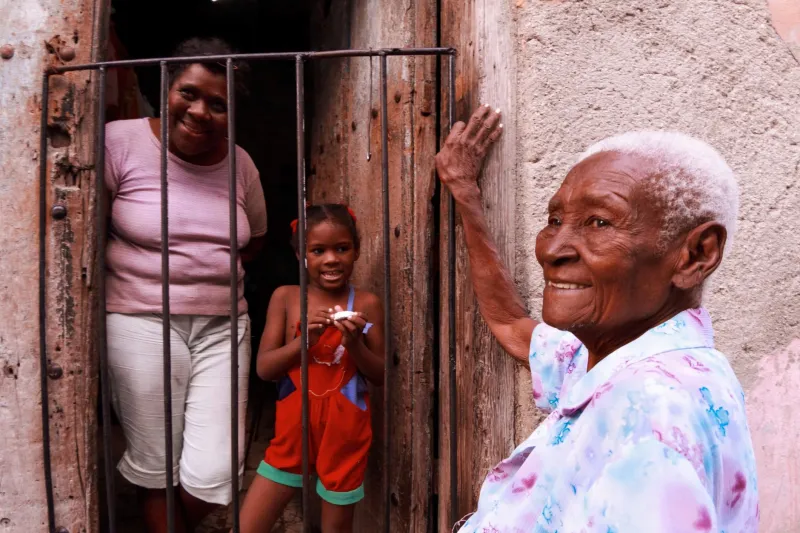
There's a version of travel photography that isn't extractive. It's slower, less polished, and almost never goes viral. It's the blurry shot of your host's kid chasing a dog through the yard. The badly lit photo of a meal that tasted like nothing you've ever had. The accidental portrait of an elderly neighbor who wandered into the frame while you were trying to photograph a flower.
These images don't perform well on social media. They perform beautifully as memories.
Travelers who've made the shift to homestay-style travel consistently describe a paradox: they take fewer photos, but they come home with more. More stories, more relationships, more of an actual sense of having been somewhere rather than having passed through it.
The carbon cost of your travel will always matter. But so will the quality of the attention you bring. Homestays make it easier to bring the right kind — the kind that's good for you, good for the places you visit, and good for the people who actually live there.
That's a different kind of shot worth chasing.