One Traveler, One Village, Thirty Days: What Actually Changes When You Stay Long Enough to Matter
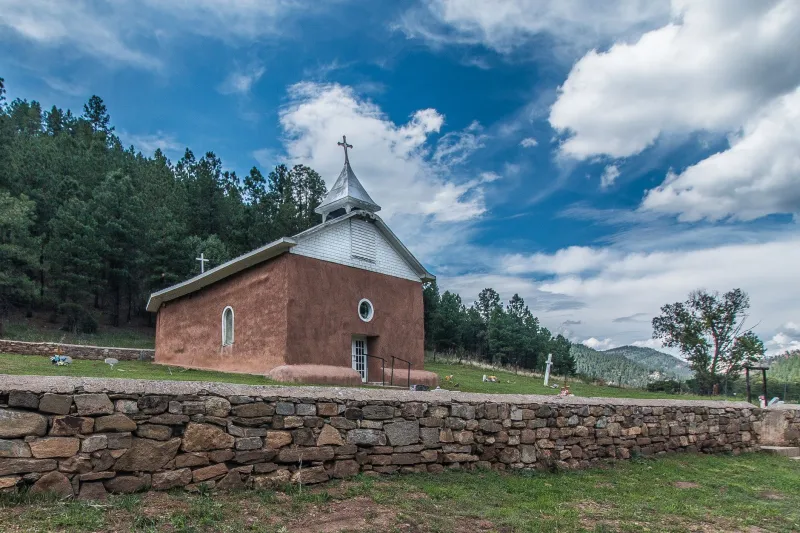
On the morning of her fourth day in Truchas, New Mexico, Diane from Portland, Oregon did something that surprised even her. She asked her host, Elena, if she could come along to the farmers market.
Not as a tourist checking off a local experience. As someone who needed to know where the eggs came from.
It was a small thing. But it was also the moment, Diane says, when the trip changed from something she was doing to something she was in.
Diane had booked a month-long stay at Elena's adobe homestay on a whim — or what felt like a whim, though she'd been burning out for two years and her therapist had said, more than once, that she needed to stop moving so fast. She'd chosen a full month because the nightly rate dropped significantly, and because she had remote work she could do from anywhere. She hadn't thought much about what thirty days in one small village might actually look like.
She hadn't thought about what she might leave behind, either.
The First Week: Still a Tourist
The first few days of a long homestay tend to look a lot like a short one. You visit the obvious places, take the expected photos, eat at the restaurant someone recommended. You're still running on the energy of arrival — the novelty high that keeps you from settling.
For Diane, that meant a drive to the Santuario de Chimayó, a stop at a gallery in Taos, and approximately forty photos of the sunset over the Sangre de Cristo Mountains that she mostly didn't post.
Elena was warm but appropriately hands-off during that first week. She'd hosted enough travelers to know that some guests need time to decompress before they're ready to actually arrive.
"I can always tell when someone shifts," Elena says. "They stop asking me what they should do, and they start telling me what they noticed."
For Diane, the shift happened at the farmers market. She noticed that Elena knew every vendor by name. She noticed that money changed hands with a kind of easy familiarity — the way it does in a place where people have been buying from each other for years. She noticed how different that felt from the transaction-as-theater that characterizes most tourist spending.
She asked if she could come back the following week. And the week after that.
Where the Money Goes — And Why It Matters
The economics of long-stay conscious travel are genuinely different from a weekend trip, and not just for the traveler.
A typical tourist passing through a rural community might spend money at one or two restaurants, a gift shop, maybe a guided tour. That money is real, but it's diffuse — spread across businesses designed to capture tourist dollars, which means a significant portion flows back out of the local economy through supply chains, platform fees, and absentee ownership.
A month-long homestay traveler who gets to know a place starts spending differently. Diane bought her coffee from a neighbor who roasted small batches out of her garage. She hired a local teenager to give her a trail-running orientation — not an official guiding service, just a kid who knew every arroyo in the valley and charged forty dollars for three hours. She got her car's oil changed at the only mechanic in town because it needed doing, and she tipped the way she would at home.
None of these are dramatic acts of economic intervention. But they add up. And more importantly, they route money through the actual tissue of a community rather than around it.
Elena estimates that a month-long guest who engages the way Diane did generates roughly three to four times the local economic activity of a weekend guest spending the same nightly rate.
"It's not just the money," she adds. "It's where the money goes. It goes to my neighbors."
The Relationships That Don't Show Up in a Review
By week two, Diane knew the names of Elena's kids. By week three, she'd been invited to a quinceañera for a girl down the road — not as a guest of honor, just as someone who was around and got included. She sat in the back, ate too much posole, and understood maybe sixty percent of what was said.
She describes it as one of the best nights of her adult life.
This is the dimension of long-stay travel that almost never makes it into the marketing copy. Not the scenic views or the artisan crafts or the authentic cuisine — but the experience of being peripheral to someone else's real life. Of watching a community function from just close enough to understand that it functions, that it has its own rhythms and relationships and humor that have nothing to do with your presence.
That kind of witness is only available to people who stay long enough to stop being interesting.
"The first week, people are a little formal with me," Diane says. "By week three, Elena's brother was arguing with me about college football. That's when you know you're actually there."
What She Left Behind — And What She Carried Home
Diane is a landscape architect. Before she left Truchas, she spent two afternoons sketching drainage solutions for a small acequia — a traditional irrigation channel — on Elena's property that had been causing erosion problems for years. She emailed the sketches to a civil engineer friend back in Portland, who provided some informal feedback. Elena passed the information to the local acequia association.
Diane doesn't know if anything came of it. That's part of the point — she offered what she had, without needing to see the outcome.
"I'm not saving anyone," she's careful to say. "I helped with a ditch. But I helped because I cared about that specific ditch, because I'd watched it rain and seen the problem myself. That's different from writing a check to an organization."
What she carried home is harder to quantify. A slower pace that lasted, she says, about six weeks before the Portland current swept her back up. A genuine friendship with Elena that involves occasional texts and a standing invitation to return. A different relationship to the concept of passing through.
"I used to think travel was about accumulating places," she says. "Now I think it's about occasionally letting a place accumulate you."
Why This Model Is Hard to Scale — And Why That's the Point
Conscious travel advocates sometimes talk about the long-stay model as a solution — to overtourism, to extractive travel economics, to the environmental costs of constant movement. And there's real truth in that framing.
But the thing that made Diane's month in Truchas meaningful wasn't a policy or a platform feature. It was her willingness to be bored for a few days until she wasn't, to show up at a farmers market without an agenda, to care about a drainage ditch.
That's not scalable. And maybe it shouldn't be.
What is replicable is the choice to stay somewhere long enough for it to matter — to you, and maybe, in small and unspectacular ways, to the people who live there year-round.
The coral tree doesn't grow in a week. Neither does anything worth having.