Why the Tomato at Your Homestay Tastes Like an Entirely Different Fruit
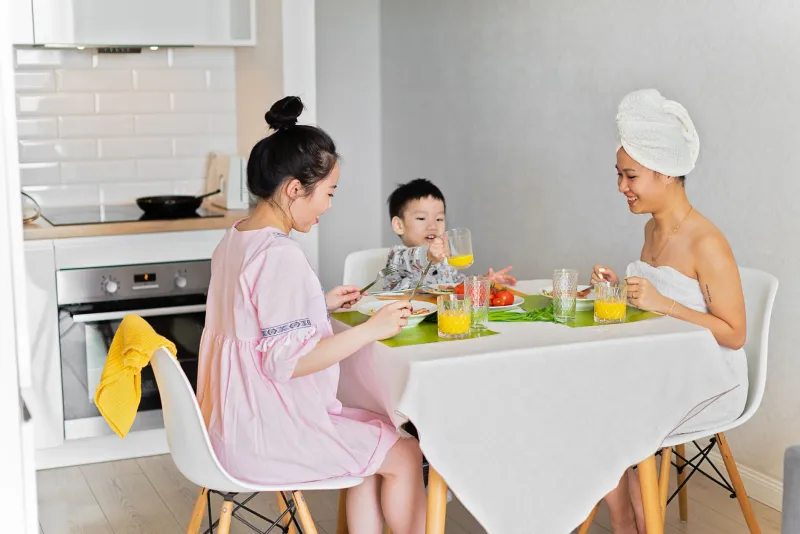
Somewhere between your third morning at a boutique homestay on the Gulf Coast and your second helping of eggs scrambled with herbs your host cut from a pot on the windowsill, something clicks. The food is just better. Not better like a Michelin-starred restaurant is better — better in a way that's harder to explain. More honest, maybe. More like food is supposed to taste before anyone figures out how to ship it 1,500 miles without it going soft.
It's not your imagination. And it's not just the vacation effect making everything seem rosier than it is.
The Distance Problem Nobody Talks About at Checkout
The average ingredient on a conventional American plate travels somewhere between 1,000 and 1,500 miles before it reaches you. That number gets thrown around a lot in sustainability circles, but what it means for flavor — and for your body — tends to get lost in the conversation about carbon footprints.
Here's the short version: produce grown for industrial distribution is selected for durability, not taste. Tomatoes are picked green so they survive the truck ride. Strawberries are bred to be firm enough to stack in a clamshell container. Herbs are cut, bagged, chilled, and shipped to a distribution center before they ever see a kitchen. By the time that basil hits your resort's pasta station, it's been in cold storage long enough to lose a significant chunk of its volatile aromatic compounds — the stuff that actually makes basil smell like basil.
Your homestay host's garden didn't get that memo.
What Small-Scale Growing Actually Means for What's on Your Plate
Hosts who grow their own food — or who shop weekly at a local farmers market — are operating in an entirely different logic system than a hotel food and beverage director ordering in bulk from a regional distributor. They're not optimizing for shelf life or per-plate cost margins. They're growing what tastes good, what grows well in their specific soil, and what they actually want to eat themselves.
That last part matters more than it sounds. When your host is eating the same food they're serving you, the incentive structure flips completely. There's no back-of-house versus front-of-house divide. No separate staff meal made from lower-grade ingredients. You're sitting at someone's actual table, eating what they actually eat — which means they have every reason to make it genuinely good.
Small-scale growing also tends to favor biodiversity over monoculture. A homestay garden in coastal Georgia might have six varieties of hot pepper, three kinds of squash, and a fig tree that's been there longer than the house has. That diversity isn't just charming — it reflects a relationship with land and season that industrial agriculture systematically eliminated in the name of efficiency.
The Environmental Argument (Without the Lecture)
Look, nobody wants to feel like they're being given a TED Talk while they eat breakfast. But the environmental case for locally-grown, small-scale food is worth understanding on your own terms, especially as a traveler who's already thinking about where your money goes.
Industrial food systems account for a significant share of global greenhouse gas emissions — estimates range, but agriculture, processing, and transportation together represent somewhere around a quarter of total human-caused emissions. That's before you factor in the water usage, the synthetic fertilizer runoff, or the topsoil depletion that comes with large-scale monocrops.
A homestay host who gardens organically and shops locally isn't solving climate change at the breakfast table. But they're participating in a different system — one where food comes from nearby, waste gets composted, and the soil gets treated like something worth keeping alive. When you choose to stay somewhere that operates that way, you're voting with your travel dollars in a pretty direct way.
How to Find Food-Forward Homestays Without Becoming Insufferable About It
There's a version of the conscious food traveler who makes everyone around them slightly exhausted. You don't have to be that person to care about this stuff.
When you're browsing homestay listings, look for a few specific signals:
Garden mentions in the listing copy. If a host describes their property and mentions a kitchen garden, raised beds, fruit trees, or anything they grow themselves, that's a meaningful indicator. It means they're thinking about food at that level of intentionality.
Breakfast or meal inclusion. Homestays that offer breakfast — especially ones that describe it in specific terms rather than just saying "continental breakfast available" — tend to take food seriously. "Fresh eggs from our hens" or "seasonal fruit from our yard" tells you something real.
Local sourcing language. Phrases like "we shop at the Saturday market" or "our neighbor keeps bees" signal a host who's connected to a local food web rather than a wholesale supplier.
Direct questions work fine. When you're communicating with a potential host before booking, it's completely reasonable to ask what a typical breakfast looks like, or whether they have a garden. Most hosts who grow food are genuinely delighted someone asked.
The Bigger Reveal
What makes the homestay garden moment so striking — that first bite of something that actually tastes like itself — is that it quietly exposes what you've been eating everywhere else. Resort food isn't bad because resort chefs are bad at their jobs. It's bad because the supply chain it depends on has been optimizing for the wrong things for decades.
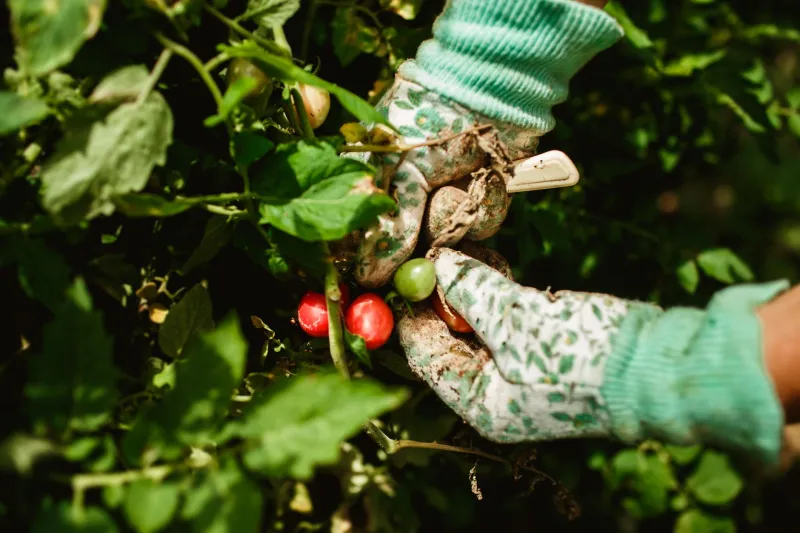
The tomato that tastes like a tomato at your host's table in coastal South Carolina isn't a luxury. It's just what a tomato tastes like when it's grown with care, picked ripe, and handed to someone who wanted it to be good. The fact that this feels remarkable is the real story.
Conscious travel is partly about where your money goes and how lightly you move through a place. But it's also about paying attention — to the people who host you, the land that feeds you, and the systems you're quietly endorsing every time you sit down to eat.